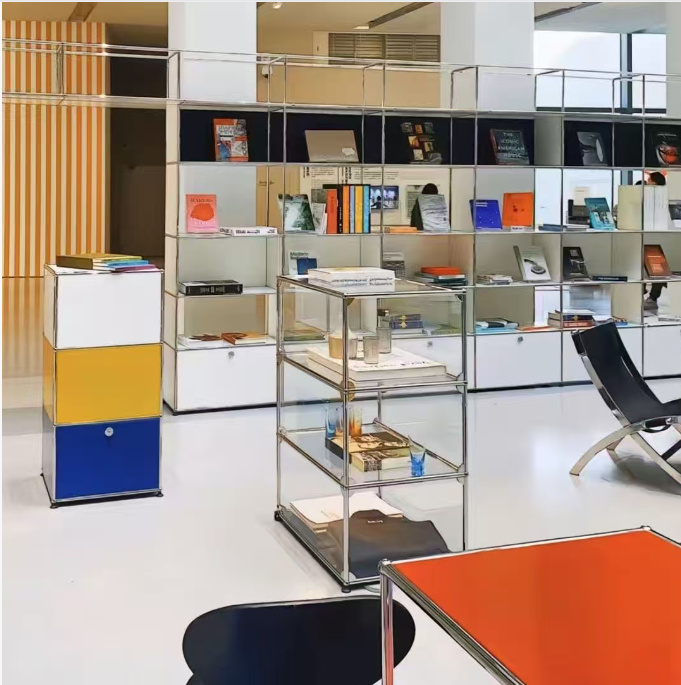
Aesthetic accumulation; unintentional yet meticulous design

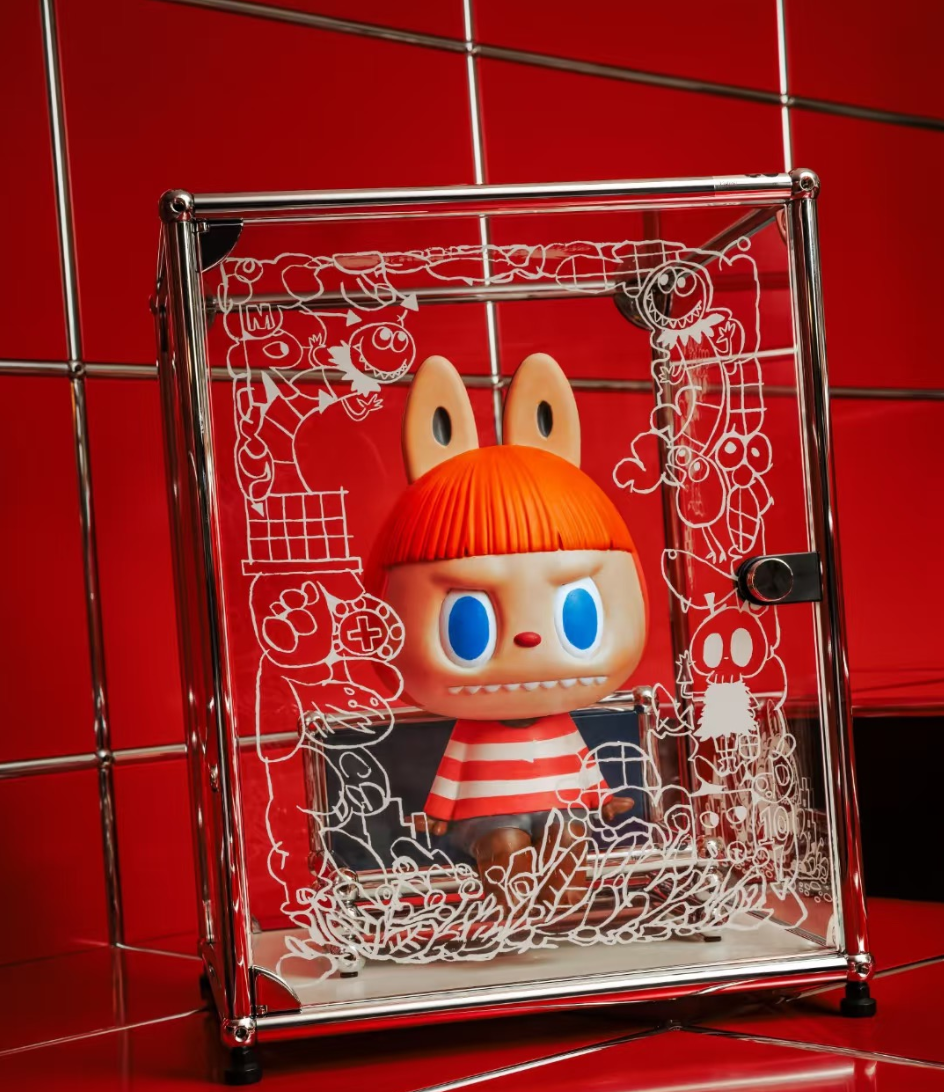
The home of Ukrainian architect Kristina Pickford is a converted 1920s apartment. The high ceilings create a comfortable sense of scale within the space.
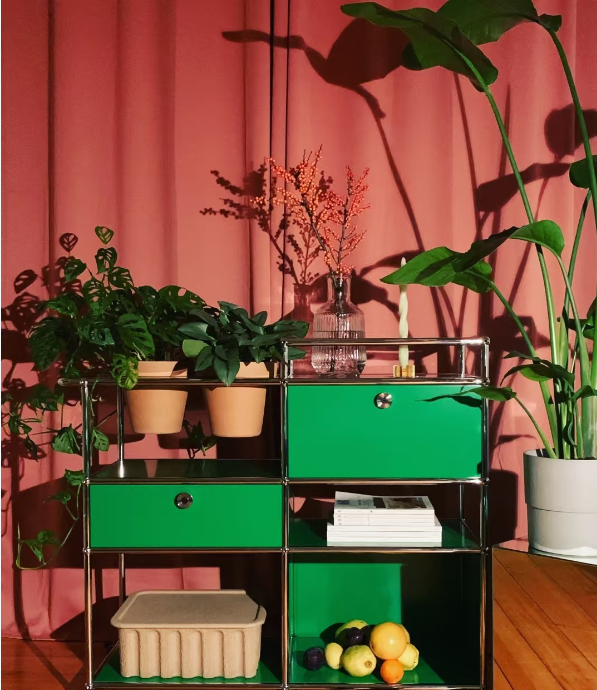
The designer didn’t overdo the styling; instead, they respected the original structure of the old house, leaving the beams and columns undecorated and adding rounded corners to the details, which, together with the beige walls, created a soft and warm texture
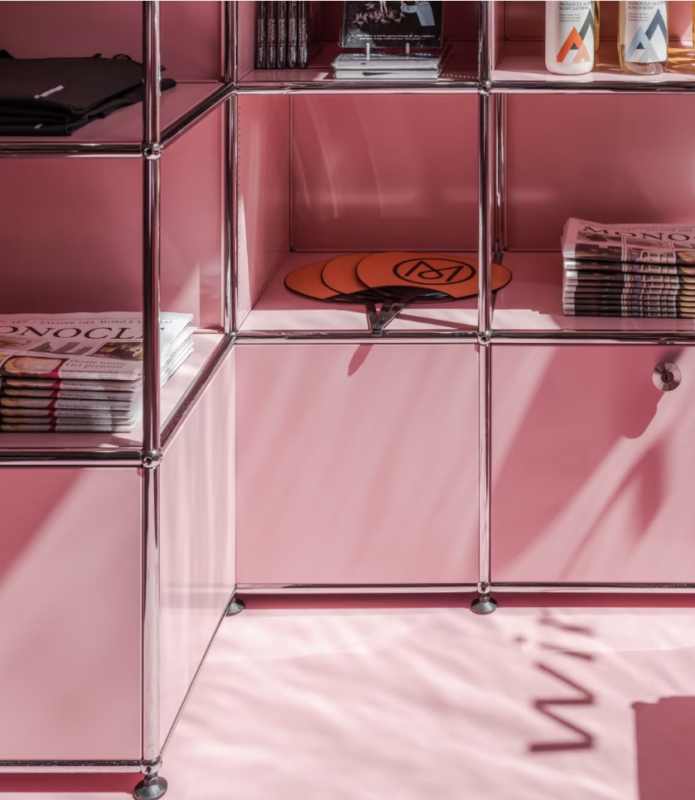
Miss Olive: “When real estate is being developed, there is a complete plot of land with enough space to plan the park and the layout of the houses. So when designers are faced with most house types, the layout is usually pretty much the same. Their thinking is easily limited to fixed formulas. Sometimes, when facing the renovation of old buildings or the renewal of village houses, there is a refreshing feeling. It requires solving a lot of infrastructure problems, while meeting the needs of modern functions, and may also require trying local innovation based on the client’s personality. It is quite interesting.”
Preserve Character Before Adding New Layers
One useful lesson from this renovation is to begin with what already gives a building its identity. Existing beams, columns, ceiling height and proportions can become part of the design rather than details that must be covered. Before introducing new finishes, identify which original features are worth keeping and how new furniture, lighting and storage can work around them.
Use Materials and Shapes to Create a Calm Interior
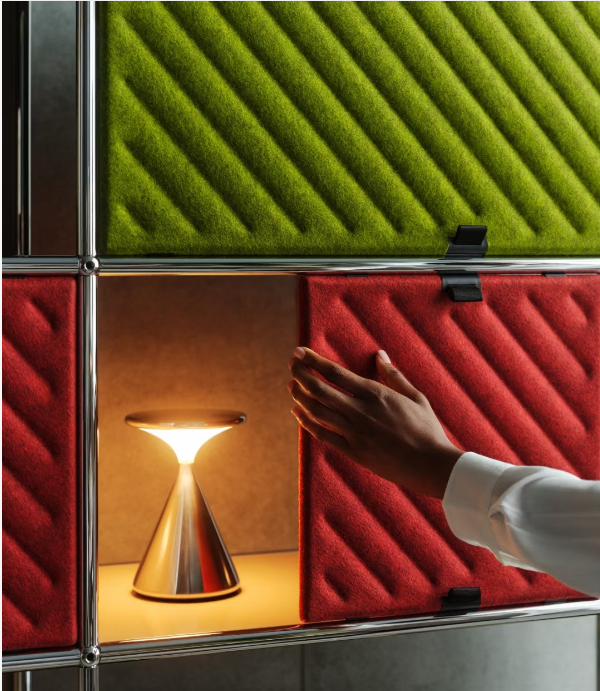
A restrained palette can help different elements feel connected. Warm neutral walls, rounded details and carefully selected furniture finishes can soften a space without making every surface identical. The goal is not to fill every corner, but to let a few considered materials and objects build a coherent atmosphere over time.
A Practical Checklist for Thoughtful Interior Updates
- Identify original architectural features that should remain visible.
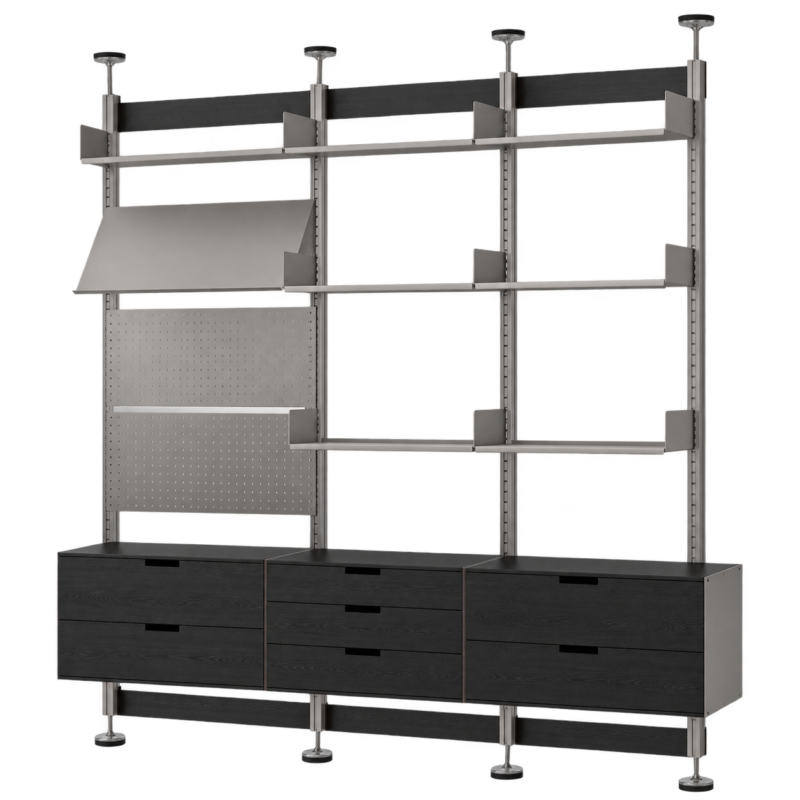
- Measure ceiling height, circulation routes and usable wall space before adding storage.
- Choose a small group of complementary finishes and repeat them selectively.
- Balance open display areas with closed storage for everyday items.
- Leave room for personal objects to be added gradually instead of styling every surface at once.
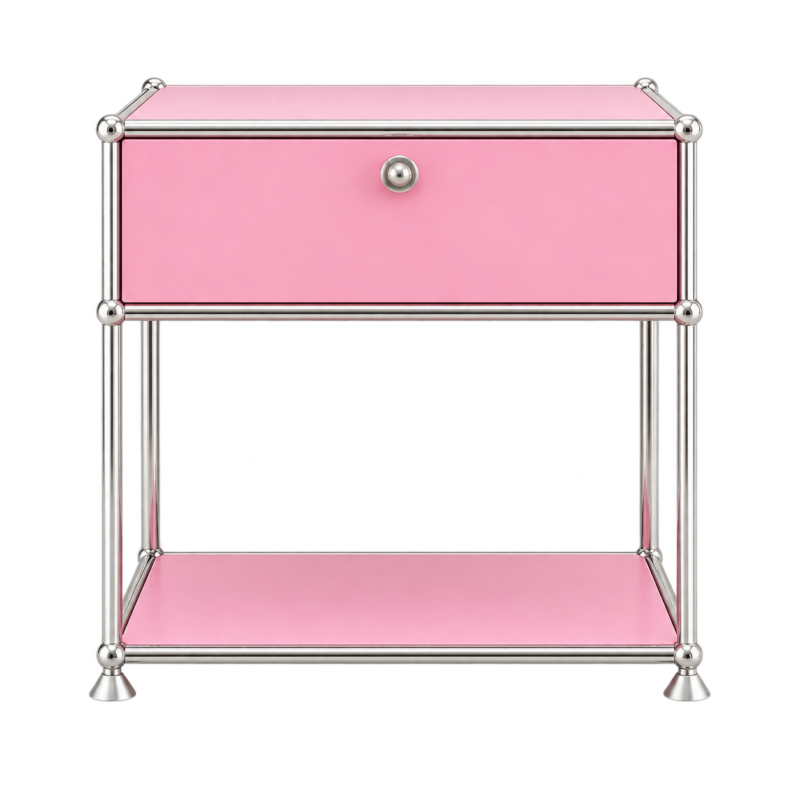
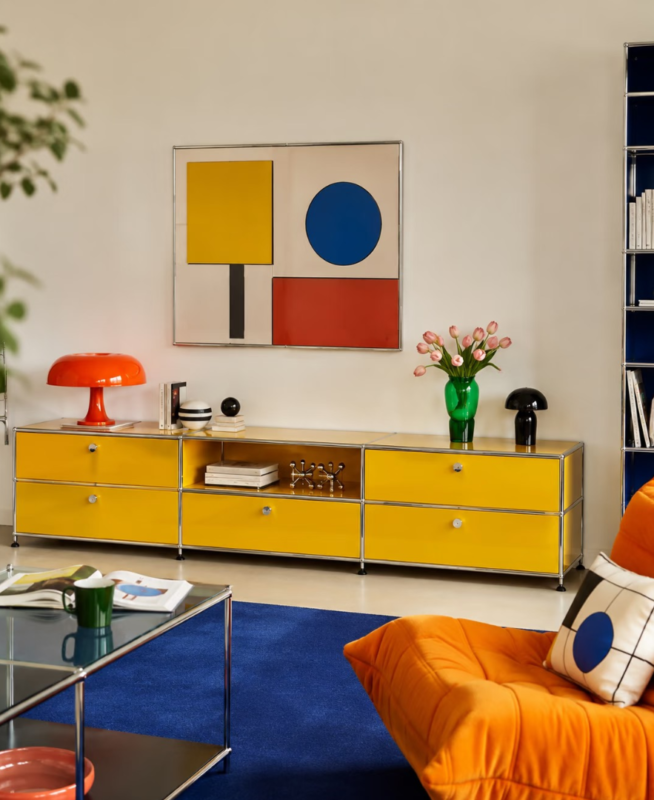
For another example of how color, compartments and modular furniture can shape a room, explore these modular cabinet design ideas. If you are planning a storage feature around an existing interior, you can also contact SVEORA about a custom layout. For a related way to use color and modular storage, read our modular color-block cabinet ideas.